
Episode transcript
Welcome to Korean Slang School: Starter Pack!
This is a podcast for Korean learners, especially beginners who have just finished learning Hangul. We learn useful everyday expressions and explore the Korean culture behind them.
If you’d like to hear content entirely in Korean, check out the original Korean Slang School podcast for intermediate and advanced learners. You’ll find the link in the episode description.
How have you been?
I’ve been very busy lately. In Korean, I could say:
요즘 소처럼 일해요.
I work like an ox these days.
소 means “cow” or "Ox".
음메!
Yes, that 소.
Korean has many expressions that compare people and things to animals. Some of them are very easy to understand. Others may sound a little strange when you first hear them.
Today, we’ll learn five animal expressions. We’ll also learn how to use 처럼, which means “like” or “as.”
Let’s start with the expression I just used.
소처럼 일하다
소처럼 일하다 means “to work like an ox.”
Let’s break it down.
소 means “cow” or “ox.”
처럼 means “like.”
And 일하다 means “to work.”
소. 처럼. 일하다.
소처럼 일하다.
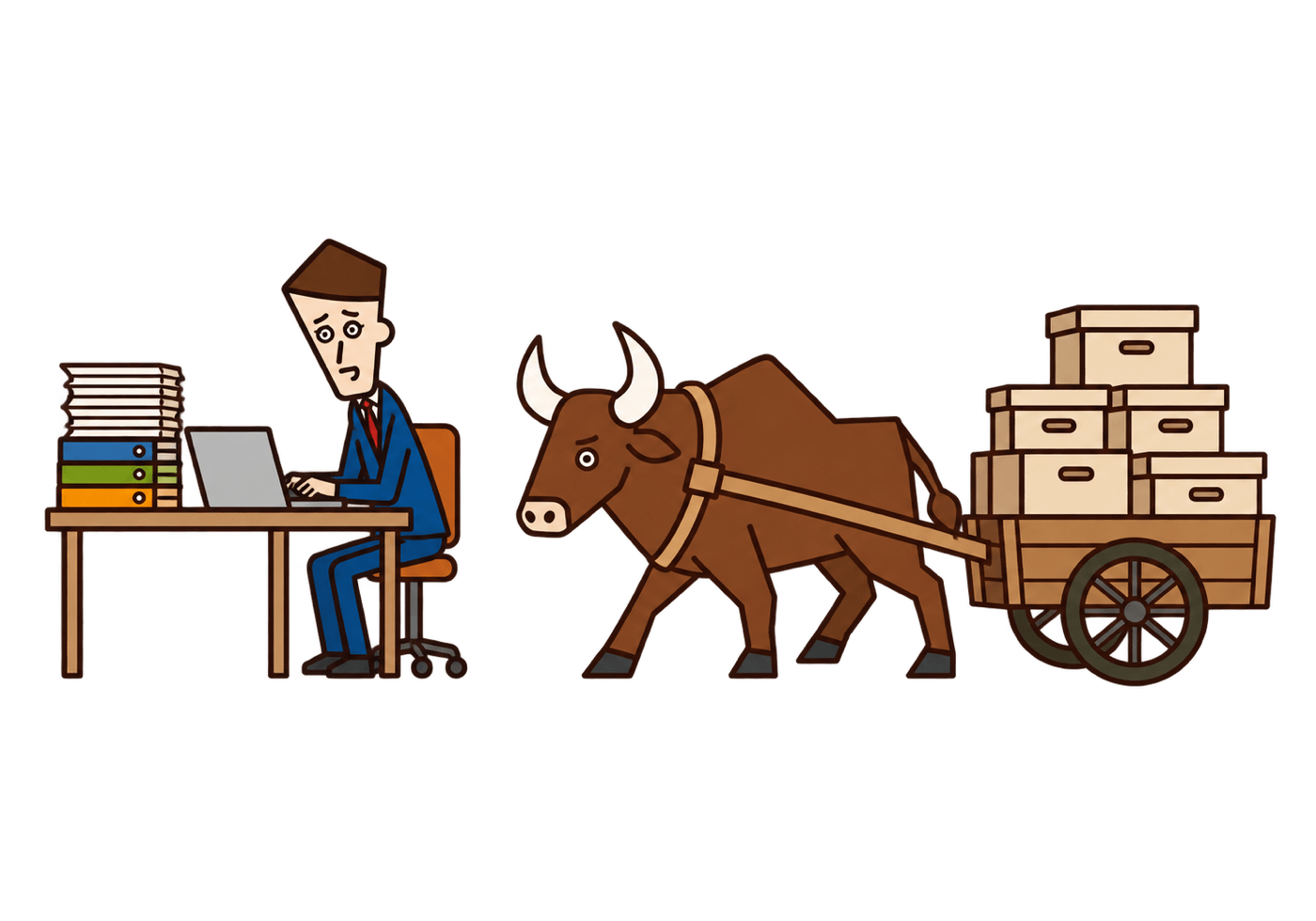
In the past, farmers in Korea often worked with oxen. The animals pulled plows through fields and carried heavy things. People saw them as strong, patient, and hardworking.
So when someone says 소처럼 일하다, they mean that a person is working very hard.
You can say:
요즘 소처럼 일해요.
I work like an ox these days.
Here, 일하다 changes to 일해요 in polite everyday speech.
This expression can also carry a tired feeling. Maybe you’re working hard because you have too much to do.
Imagine that a friend asks:
요즘 어떻게 지내?
How have you been lately?
You answer:
매일 소처럼 일해. 너무 바빠.
I work like an ox every day. I’m so busy.
I think I could use this expression quite often these days.
Now that you know 처럼, you can make other easy comparisons. Put a noun before 처럼, then add an action or description.
소처럼 일해요.
I work like an ox.
There is another easy way to compare someone to an animal.
여우 같다
여우 같다 means “to be like a fox.” It describes someone who is clever or sly.
여우 means “fox.”
같다 means “to be like” or “to seem like.”
여우. 같다.
여우 같다.
In polite everyday speech, 같다 changes to 같아요.
그 사람은 여우 같아요.
That person is sly like a fox.
Imagine that someone is friendly only when they want a favor. They know exactly what to say to get what they want.

You might say:
부탁이 있을 때만 친절해요.
They’re only nice when they want a favor.
정말 여우 같아요.
They’re really sly like a fox.
여우 같다 is usually not a simple compliment. It can suggest that someone is clever in a dishonest or calculating way.
People have also often used this expression especially about women, so it can sound judgmental. Be careful when you use it to describe a real person.
You may hear 여우 같다 in dramas or casual conversations. As a beginner, it is useful to understand even if you do not use it yourself yet.
Now let’s meet a faster, smaller animal.
강아지처럼 귀엽다
강아지처럼 귀엽다 means “to be cute like a puppy.”
강아지 is “puppy” or “dog.”
귀엽다 means “to be cute.” In polite everyday speech, it becomes 귀여워요.
강아지. 처럼. 귀엽다.
강아지처럼 귀엽다.
Maybe your friend shows you a photo of their little niece wearing a big yellow hat. You could say:
강아지처럼 귀여워요!
She’s cute like a puppy!

You can also change the animal.
고양이처럼 귀여워요.
It’s cute like a cat.
토끼처럼 귀여워요.
It’s cute like a rabbit.
The pattern stays the same:
noun plus 처럼.
소처럼. Like an ox.
강아지처럼. Like a puppy.
So far, the animal has helped us imagine the meaning. The next expression is a little more special.
고양이 세수하다
고양이 세수하다 means “to wash like a cat,” or more naturally, “to do a quick, incomplete wash.”
고양이 means “cat.”
and 세수하다 means “to wash your face.”
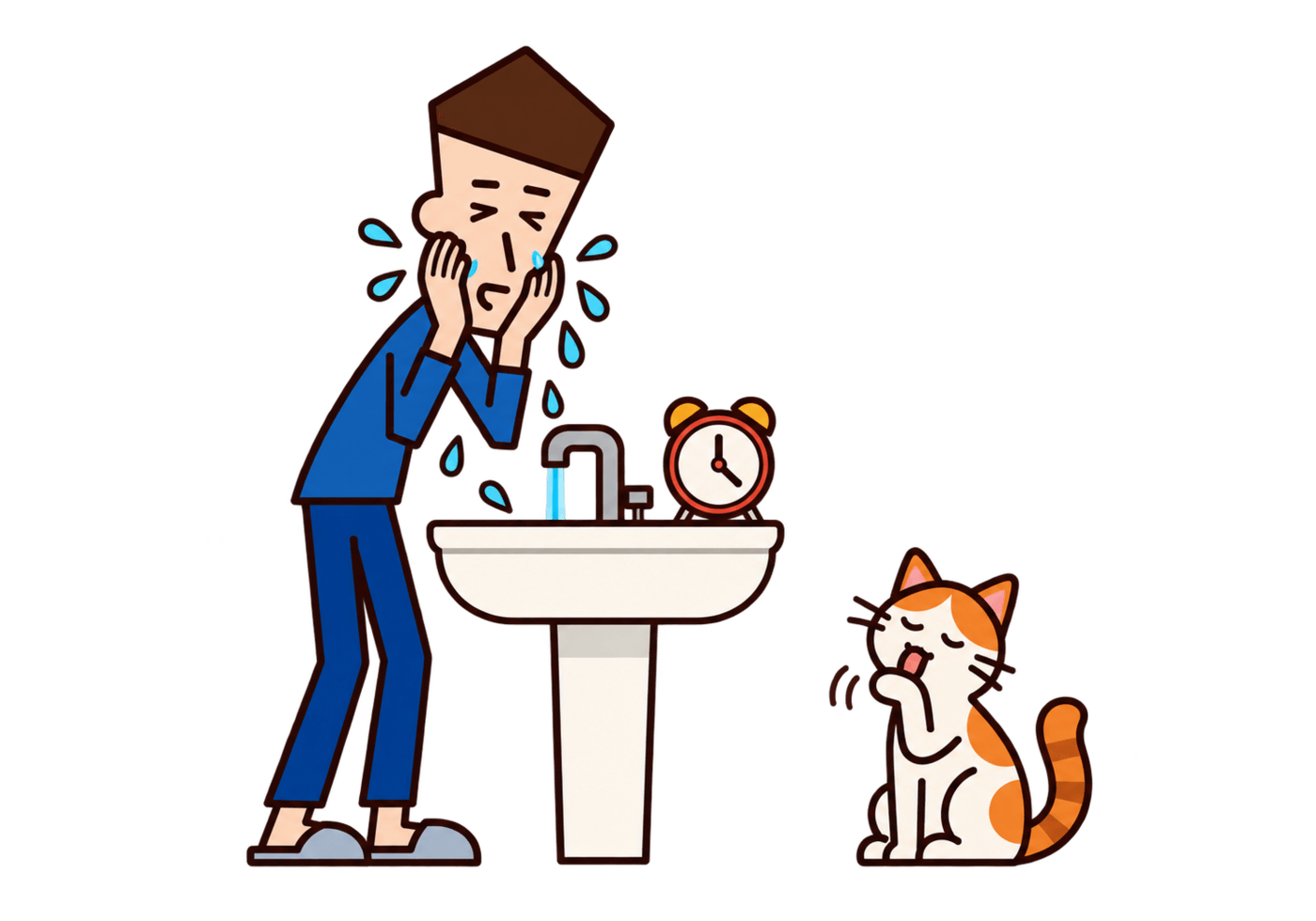
Have you seen a cat clean its face? A cat licks its paw and rubs the paw over its face.
In Korean, 고양이 세수 describes washing your face very quickly, usually with only a little water. You do not wash very carefully.
Imagine that you wake up late. You have five minutes before you need to leave. You splash some water on your face and run out the door.
You can say:
늦어서 고양이 세수만 했어요.
I was late, so I only did a quick wash.
만 means “only.”
고양이 세수만 했어요.
I only did a cat wash.
Parents may also use this expression with children.
A child comes out of the bathroom after ten seconds. Their face is still dirty.
The parent might ask:
고양이 세수했어?
Did you do a cat wash?
This is usually playful, but it can also mean, “You didn’t wash properly. Go back and try again.”
I hope you don’t have to do a 고양이 세수 tomorrow morning.
Our last expression is one you can use when you’re cold, scared, or watching a very romantic couple.
닭살이 돋다
닭살이 돋다 means “to get goosebumps.”
닭 means “chicken.”
살 can mean “skin” or “flesh.”
닭살 literally means “chicken skin.”
When you’re cold or scared, small bumps appear on your skin. In English, they’re goosebumps. In Korean, they’re 닭살, or “chicken skin.”
돋다 means “to come up” or “to appear.”
닭살이 돋다.
For example:
너무 추워서 닭살이 돋았어요.
I got goosebumps because it was so cold.
Or:
무서운 영화를 보고 닭살이 돋았어요.
I got goosebumps while watching a scary movie.
But Koreans also use 닭살 when something is too romantic or sweet.
Imagine that your friends are a couple. They look at each other and say:
자기야, 세상에서 제일 사랑해.
Honey, I love you more than anyone in the world.
Then they make a heart with their hands.

You might laugh and say:
아, 닭살 돋아!
Ah, I’m cringing!
In casual speech, people often leave out the particle 이 and say 닭살 돋아.
Here, you may not have real goosebumps. You’re joking that the couple is so romantic that it makes you cringe.
Use this carefully. It sounds natural when you’re joking with close friends. If you say it to someone you don’t know well, they may think you’re being rude.
Now let’s practice. I’ll give you a situation. Try to choose the best expression.
Number one.
Someone is friendly only when they want something from you.
Which expression can you use?
여우 같다
그 사람은 여우 같아요.
That person is sly like a fox.
Number two.
You woke up late and washed your face in ten seconds.
What did you do?
고양이 세수
고양이 세수만 했어요.
I only did a quick cat wash.
Number three.
You have too much work and feel very tired.
so... 소처럼 일해요
요즘 소처럼 일해요.
I work like an ox these days.
Number four.
You see a photo of your little niece.
강아지처럼 귀여워요!
She is cute like a puppy!
And number five.
Your friends keep calling each other cute names and making hearts.
What can you say?
아, 닭살 돋아!
Ah, I’m cringing!
Which animal expression was most interesting for you? Mine may be 고양이 세수. Personally I do 고양이 세수 when I wake up late.
Also today we covered expressions with 처럼. Something 처럼 means, like something. Choose an animal, add 처럼, and tell me what it does or what it is like. For example, 강아지처럼 귀여워요. Cute like a puppy or 소처럼 일해요 Work like an ox.
Do you have also fun expressions with animals in your language? Here, in Czech republic, people say "cry like a turtle" 거북이처럼 울어요. There is a scientific proof that sea turtles cry so hard when they get out of sea to remove salts in their eyes. It's so interesting! If you have some animal expressions, let me know in comments.
Thank you for listening today. You can also check free scripts and vocabulary lists on my website. krslang.school. Now you’ve got five more Korean expressions packed and ready to use. Keep learning, keep speaking, and I’ll see you next time. 다음에 만나요! 안녕!