
Episode transcript
Welcome to Korean Slang School: Starter Pack!
This is a podcast for Korean learners, especially beginners who have just finished learning Hangul. We learn useful everyday expressions and explore the Korean culture behind them.
If you'd like to hear content entirely in Korean, check out the original Korean Slang School podcast for intermediate and advanced learners. You'll find the link in the episode description.
Today, we're talking about 강아지, dogs.
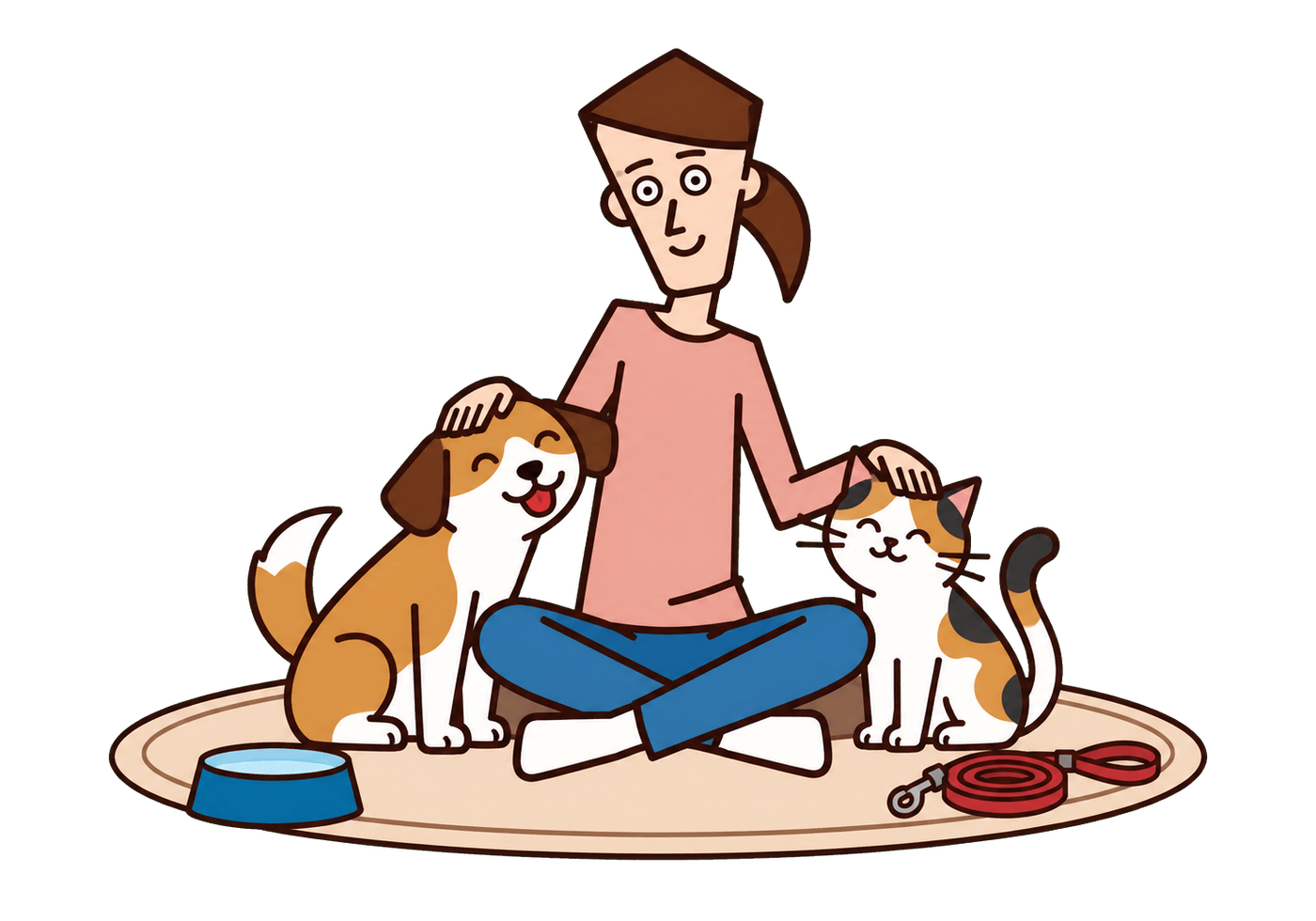
Do you have a dog? 강아지가 있어요? Or a cat, 고양이? Maybe a hamster, 햄스터, or some fish, 물고기?
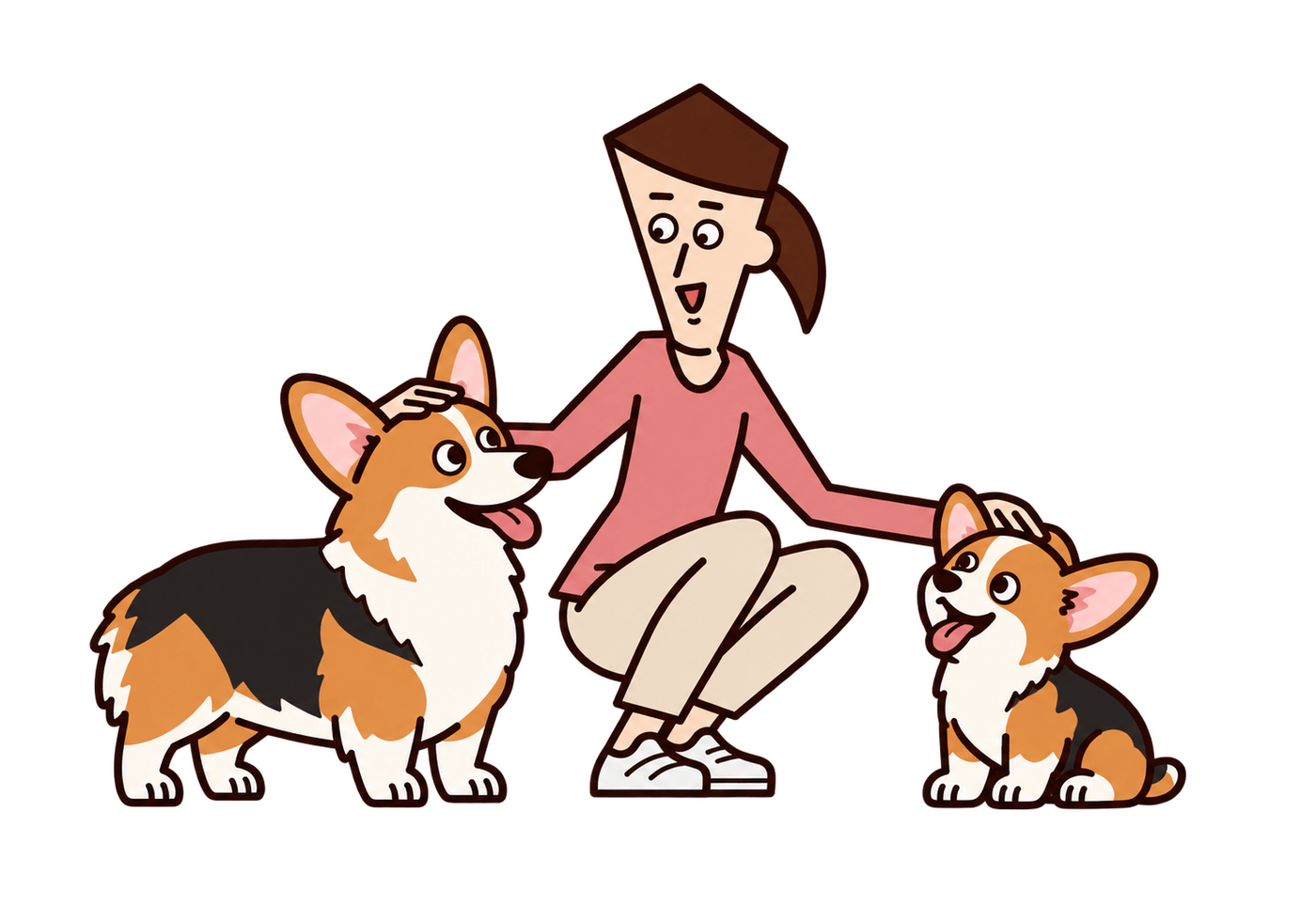
I have a dog. 저는 강아지가 있어요. Her name is Rupi. 이름은 루피예요. And she's three years old. 세 살이에요. She has short legs, big ears, and a very cute butt.
Do you also have dogs or cats? 강아지나 고양이가 있어요?
What is your dog's name? 강아지 이름이 뭐예요?
In Korea, many dogs have food names.
A black dog might be called 초코, which means "chocolate."
A white dog might be 두부, like "tofu."
A brown dog might be 보리, which is "barley," or 호두, "walnut."
You may also meet dogs called 콩이, from 콩, "bean"; 감자, "potato"; 만두, "dumpling"; or 우유, "milk."
Why do people use food names?
Are they planning to eat the dog later?
Of course not. I'm joking. 농담이에요.
Food names are often short, friendly, and easy to call out.
Like:
두부야!
Tofu!
감자야!
Potato!
Here, 야 is an ending used when calling someone. When you call the name of a person or animal in an informal way, you can add 아 or 야 to the name.
After a vowel sound, use 야.
두부 ends in the vowel sound ㅜ, so you can say 두부야.
감자 also ends in a vowel sound, so you can say 감자야.
After a consonant sound, use 아.
If a dog's name is 콩, which ends in the consonant sound ㅇ, you can say:
콩아!
Kong!
So it would be: 두부야, 콩아.
How does that sound? Isn't it cute? People give their dogs food names simply because they sound cute and friendly.
But there is also an old story that giving a dog a simple food name helps the dog live a long life. There isn't any scientific evidence for that, but it's one explanation people sometimes mention.
Not every Korean dog has a food name. 별이, "Star," 사랑이, "Love," and 가을이, "Autumn," are also common kinds of pet names.
What kinds of names do people give pets in your country? Do they use human names, food names, or something completely different?
When people outside Korea hear about Korean dog culture, they sometimes ask an uncomfortable question:
한국 사람들이 개를 먹어요? "Do Koreans really eat dogs?"
한국 사람들 means "Koreans."
개 means "dogs."
먹어요? means "Do they eat?"
So the full question means, "Do Koreans really eat dogs?"
The short answer to the question is that dog meat was part of Korean food culture in the past, but that doesn't mean every Korean ate it. It also doesn't describe how most Koreans think about dogs today.
In the past, soup made with dog meat was called 개장국. Later, the name 보신탕 became common.
보신 means protecting or strengthening your body. Some people ate this food during the hottest part of summer because they believed it would restore their energy.
But now attitudes toward dogs have changed a lot. More people see dogs as 반려동물. 반려 means "companion," and 동물 means "animal." 반려동물 means "pets" or "companion animals." They are members of the family whose health and happiness matter. The number of people eating dog meat, and the number of restaurants selling it, have continued to fall.
The law has changed too. In 2024, South Korea passed a special law to end the dog meat industry. From February 7, 2027, breeding, killing, distributing, or selling dogs for food will be prohibited.
At the time I'm recording this episode in October 2026, Korea is still in the transition period. Farms and other businesses have been given time to close or change their work.
By May 2026, 1,265 of the 1,537 farms that had raised dogs for meat had closed. That's about 82 percent.
Of course you don't need to memorize those numbers. The important point is that Korean society is moving quickly toward ending this practice.
So simply saying "Koreans eat dogs" turns a complicated history into a stereotype. It's more accurate to say that the practice existed, attitudes changed, and the country is now ending the industry by law.
You can see this changed relationship with dogs in everyday life too. And that brings us to a fun Korean word.
개모차
It's a combined word. It combines 개, "dog," and 유모차, "stroller."
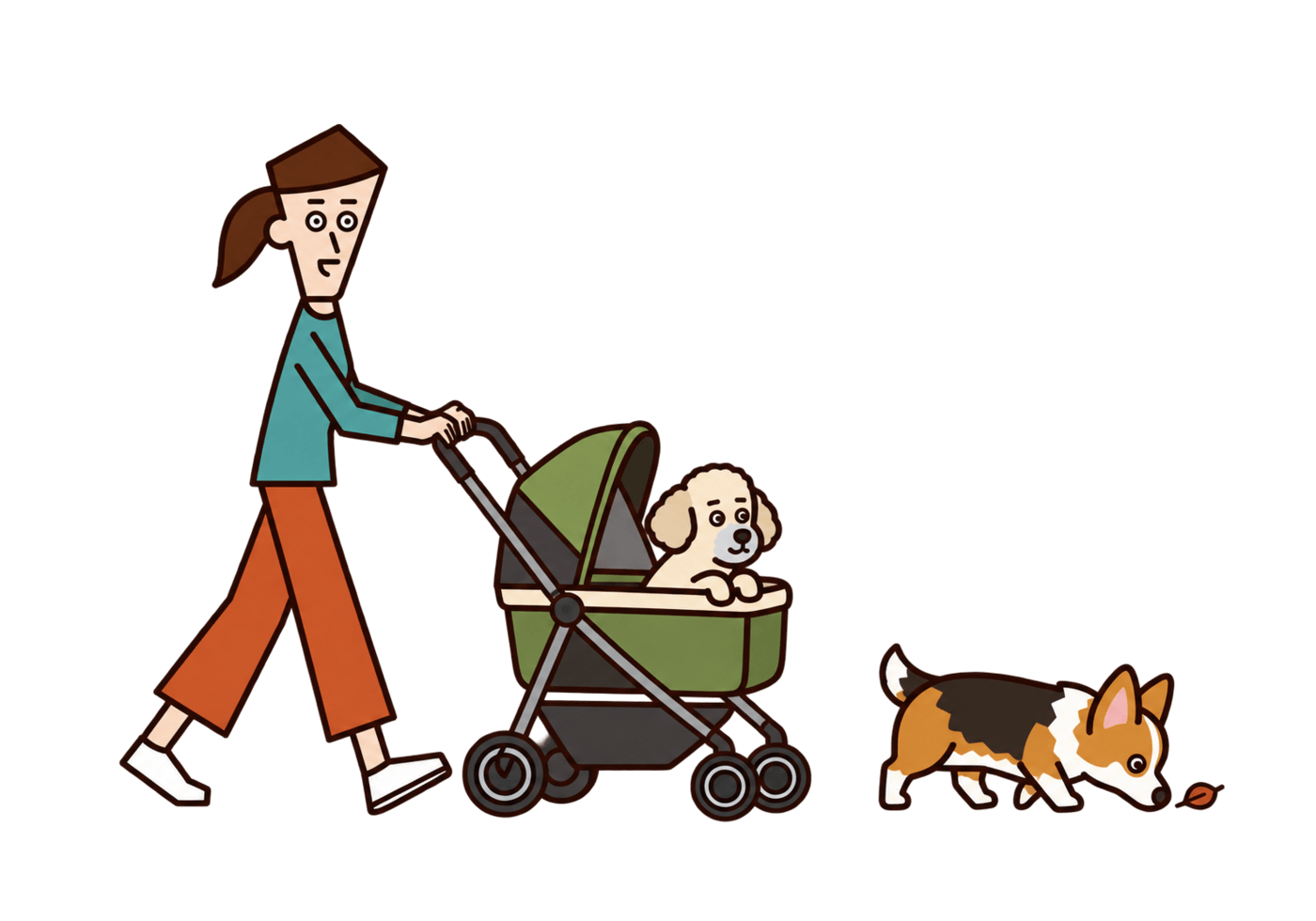
The first time I saw a stroller in Korea with a dog inside, I thought I was looking at a baby stroller.
Then I got closer and saw a small dog looking back at me.
In Korean, a baby stroller is 유모차.
유모차.
A dog is 개.
When people put 개 and 유모차 together, they make the playful word 개모차.
개모차 means "dog stroller" or "pet stroller."
It isn't a formal word, but the meaning is easy to guess, so you'll see and hear it in everyday life.
For example:
개모차를 샀어요.
I bought a dog stroller.
우리 강아지는 개모차를 타요.
My dog rides in a dog stroller.
By the way, 개 means "dog," and 강아지 means "puppy." But people tend to use 강아지 even when their dogs are no longer puppies because it sounds cuter and shows affection toward them.
And here, 타요 comes from 타다, "to ride."
When some people see a 개모차, they might think:
"Dogs have legs. Why aren't they just walking?" Right?
But there are many reasons a dog may need a 개모차. An old dog may not be able to walk for a long time. A dog may have sore legs or be recovering from surgery. A stroller can also keep a very small dog safe in a crowded place.
Of course, owning a 개모차 doesn't mean a dog never goes for a walk. Walking is not only physical exercise for a dog. Dogs also need to smell things and explore the world around them.
Some people think Koreans treat dogs too much like babies. But I understand that a stroller might be needed in some cases.
There is another thing for dogs.
It is 강아지 유치원.
강아지 means "dog" or "puppy."
유치원 means "kindergarten."
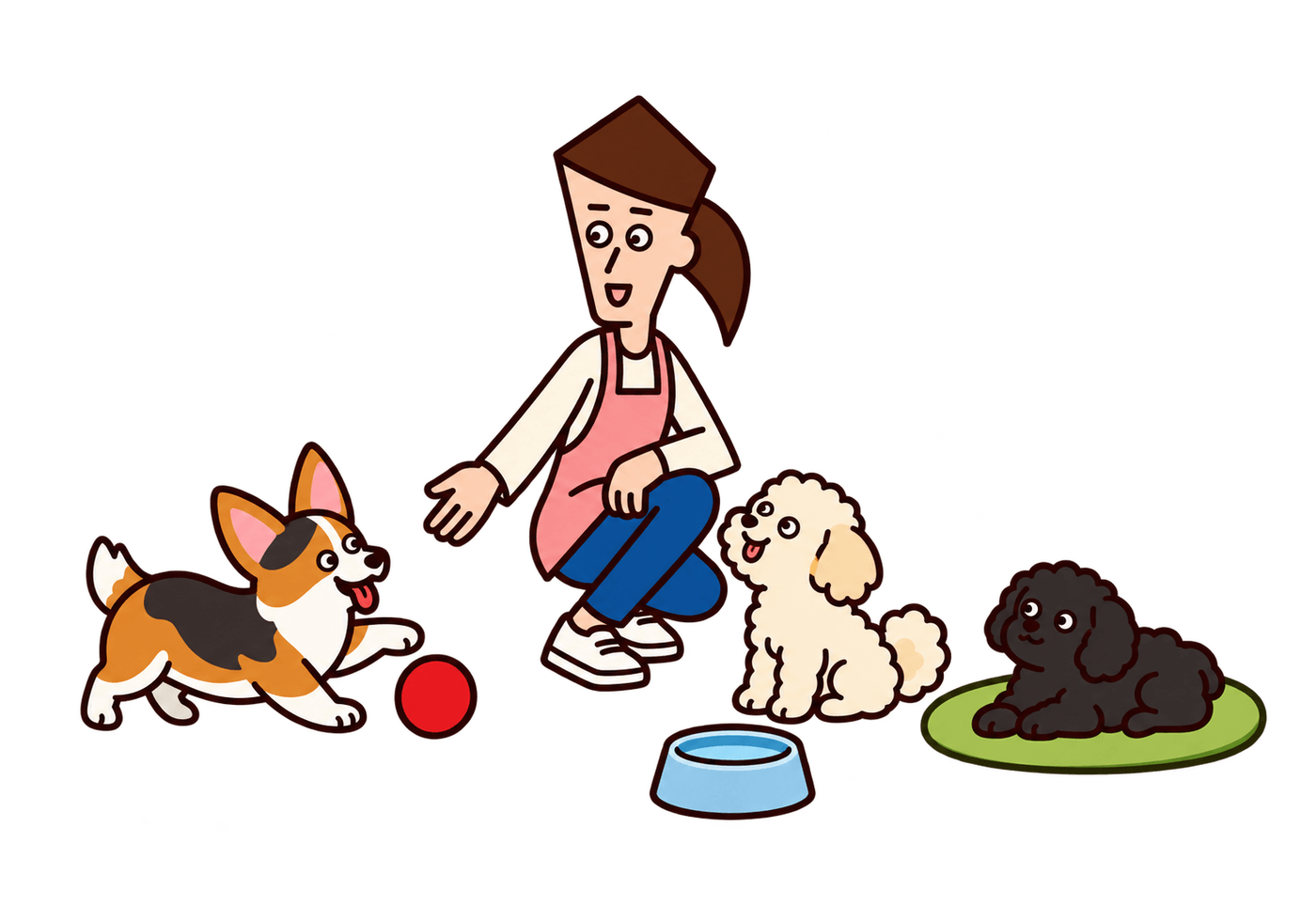
강아지 유치원 literally means "dog kindergarten." In natural English, we would usually call it dog daycare.
강아지. 유치원.
A dog may spend the day there while its person is at work. They can go for a walk, eat, rest, and play with other dogs. Then they go home in the evening.
Dog daycare can be useful because many people in Korea work long hours. Many people also live alone. If they are away all day, the dog may have to spend a long time by itself.
Of course, some dogs can relax alone but other dogs become very anxious.
For those dogs and their people, 강아지 유치원 can help.
You might have a question. Korea has both dog daycare and dog strollers, but how common are pets there?
How common are pets in Korea now?
According to a 2025 survey, 29.2 percent of Korean households had a pet. That's almost three out of every ten households. Dogs were the most common pet.
In a 2016 GfK survey of online respondents across 22 countries, Argentina and Mexico had the highest reported pet ownership rate, at about 80 percent. Wow, that's a lot! Korea's rate is lower, but it is still growing.
Nowadays more people live alone. Some people marry later or don't marry. Services such as animal hospitals, dog grooming salons, and dog daycare are easier to find than before. And more people believe that animals are part of their family.
I think that's why special services and products like dog daycare and dog strollers are becoming more common these days.
Treating a dog as family can be a good thing. But I also believe that a dog is still a dog, not a human baby.
Dogs need a life that fits their needs. They need to walk, sniff, play, rest, and sometimes practice being alone.
What do you think? Do you also have 개모차 or 강아지 유치원 in your country?
If your country has any interesting dog culture, share it in the comments. I'd be happy to read it!
For the last part, let's learn how to ask someone politely if they have a pet.
We can say:
반려동물을 키우세요?
Do you have a pet?
반려 means "companion," and 동물 means "animal."
Together, 반려동물 means "pet" or "companion animal."
키우세요? means "Do you raise?" It comes from 키우다, "to raise."
When we ask politely, 키우다 changes to 키우세요?
So, all together: 반려동물을 키우세요?
If you'd like to answer the question, you can put your pet first and then say 키워요.
네, 강아지를 키워요.
Yes, I have a dog.
or
네, 고양이를 키워요.
Yes, I have a cat.
여러분은 반려동물을 키우세요?
So, today we talked about Korean dog culture. 개모차 and 강아지 유치원 sound fun and interesting, but they can also be controversial topics.
I think what's most important is to love dogs and care for them in ways that fit their needs.
Thank you for listening today. You can find free scripts and vocabulary lists on my website, krslang.school.
Online speaking sessions and Korean one-on-one lessons are also available.
Now you've got a few more Korean expressions packed and ready to use. Keep learning, keep speaking, and I'll see you next time. 다음에 만나요! 안녕!
Sources
- [농림축산식품부, 「농식품부, 2027년 개식용종식 로드맵 제시」](https://www.mafra.go.kr/bbs/home/792/571729/artclView.do)
- [농림축산식품부, 「개 식용 완전 종식을 위한 하절기 이행 관리 강화」](https://www.mafra.go.kr/bbs/home/792/577912/artclView.do)
- [농림축산식품부, 「이웃집 3곳 중 1곳, 반려동물과 함께 살아」](https://www.mafra.go.kr/bbs/home/792/576961/artclView.do)
- GfK, “Pet-owners Dominate in Latin America, Russia and USA”