
Episode transcript
Welcome to Korean Slang School: Starter Pack!
This is a podcast for Korean language learners—especially complete beginners who have just finished learning Hangul.
In each episode, we’ll learn useful basic sentences, everyday words, fun expressions, and interesting Korean cultural insights.
Wait—what if you already speak some Korean? If you’d like to listen to content entirely in Korean, check out the original Korean Slang School podcast for intermediate and advanced learners. You can find the link in the episode description. You’ll find deeper dives into Korean language and culture there.
This episode comes out on Monday.
Monday… I’d like to enjoy every day… but Monday… sigh. Just thinking about it is giving me a headache.
Students head back to school, and everyone else heads back to work. And here in Korea, there’s a little expression we use to cheer each other on:
“월요팅!”
Have you heard the expression “월요팅” before?
It combines “월요일,” which means Monday, with “파이팅,” which comes from the English word “fighting.”
Now, in Korean, “파이팅” doesn’t mean you’re about to fight someone! It’s something you say to encourage people, like “You’ve got this!” or “Let’s go!”
So 월요팅 is basically a Monday cheer.
Mondays can be tough, right? You have to get back to school or work, you’re already tired, and the whole week is still ahead of you.
That’s when you say “월요팅!” It’s like saying, “Come on, we’ve got this. Let’s get through Monday!”

You’ll hear it especially among students and people at work. On a Monday morning, you might send it to a friend on KakaoTalk or say it to a coworker.
Here’s an example.
A: “아… 월요일이에요. 벌써 피곤해요.”
“Ugh… it’s Monday. I’m tired already.”
B: “그러니까요… 그래도 월요팅!”
“I know! But hey, we’ve got this.”
Of course, 월요팅 isn’t the only expression we have.
Let’s try a few more. See if you can guess what they mean!
First up: “월요병.”
Any ideas?
This one combines 월요일, meaning “Monday,” with 병, meaning “illness” or “disease.”
So, literally, it’s “Monday sickness.”
You know that feeling when Monday comes around and suddenly you’re exhausted, everything feels difficult, and you almost feel a little sick?
That’s 월요병. In English, you’d probably call it “the Monday blues.”
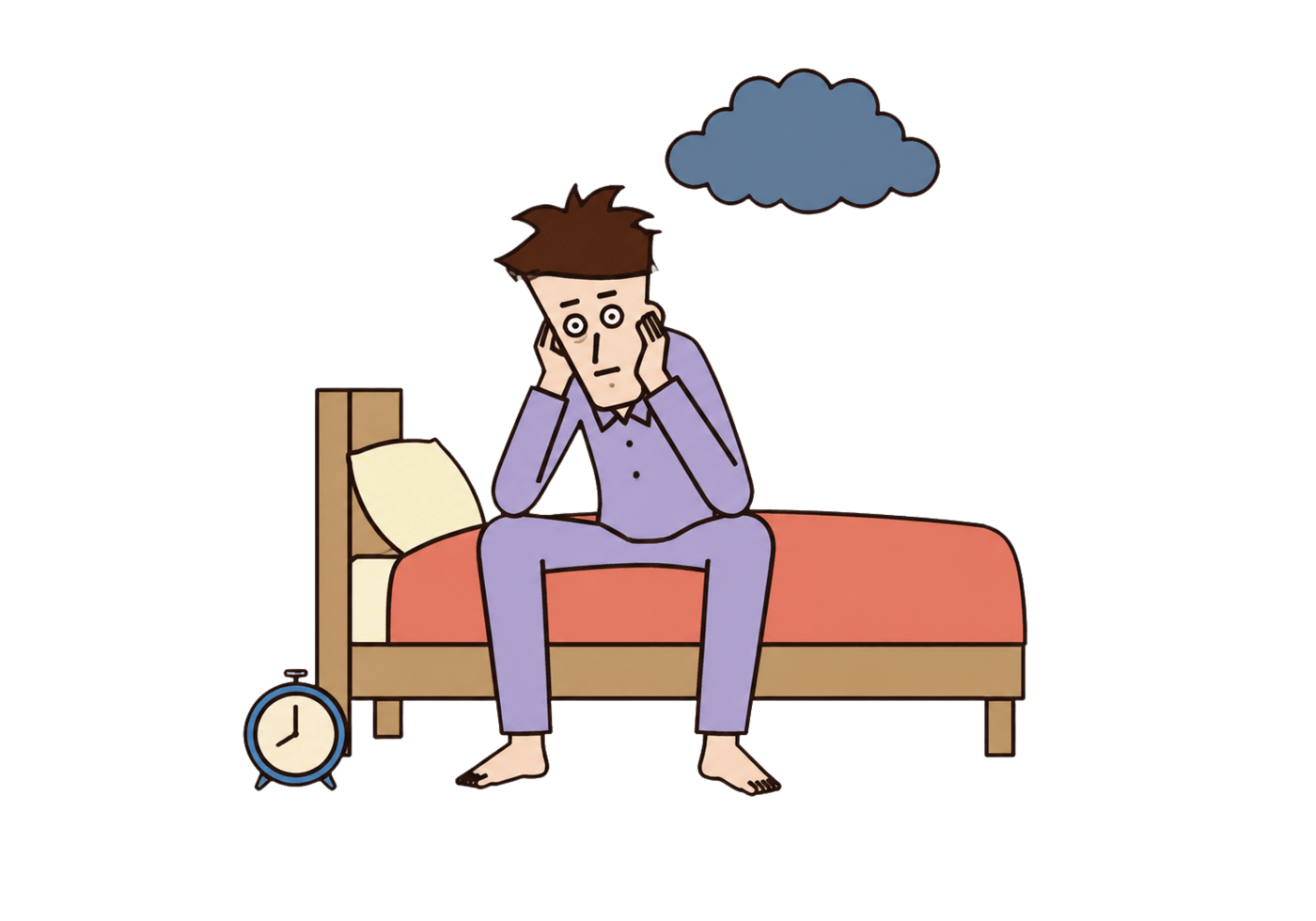
It can feel even worse after a long weekend or a holiday. You’ve had a few lovely days off, and now you’re supposed to go straight back to working or studying?
No, thank you.
While I was looking this up, I came across an article suggesting that doing a little work over the weekend can make Mondays easier.
Hmm… but I don’t really want to work on the weekend either.
I think I’d rather just have a slightly miserable Monday.
Okay, enough about Mondays.
Let’s talk about a much more exciting day.
Have you heard the word “불금”?
What do you think it means?
불 means “fire,” and 금 comes from 금요일, meaning “Friday.”
It’s short for “불타는 금요일”—literally, “a Friday on fire!”
The idea is to go out, have fun, and really enjoy your Friday night. Think “TGIF!” with a little extra party energy.

You could say:
“와, 오늘 불금이다!”
“Yes! It’s finally Friday!”
“내일 불금인데 뭐 해?”
“Tomorrow’s Friday! Got any fun plans?”
A word like 불금 really shows how much people look forward to Fridays.
You’re finally done with work or studying, and you can relax and enjoy yourself.
But here’s the problem. You spend the whole week waiting for the weekend… and then it’s over in about five minutes.
And there’s a funny little word for that, too:
“퇼.”
Take 토 from 토요일, meaning “Saturday,” and 일 from 일요일, meaning “Sunday,” and say them together really quickly.
토일… 토일… 토일… 퇼!
The two days get squished into one tiny word. Just like the weekend feels like it’s been squished into one tiny moment.
It’s not a word you’ll hear all the time, but I thought it was too funny not to share.
Now, did you know that people in Korea used to work on Saturdays, too?
Let’s go back a little.
In 1953, Korea established a standard work schedule of eight hours a day, six days a week.
That’s forty-eight hours a week.
But working too much can take a toll on your health. In Korean, we call overwork “과로.” It means working so much that it puts a strain on your body or mind.

As concerns about overwork grew, people began calling for shorter working hours.
Then, in 1989, more than thirty years later, the standard working week was reduced to forty-four hours.
But people were still working on Saturdays.
The move toward a five-day workweek came in the 2000s.
President Kim Dae-jung pushed for a five-day workweek.
But a change that big couldn’t happen overnight.
The new system was introduced in stages. From 2004, it began rolling out to major workplaces, including large companies and public institutions.
Schools gradually started giving students Saturdays off, too—at first, just one Saturday a month, and then more often. By 2012, schools had moved to a five-day week.
When I was in elementary school, I went to school on Saturdays, too.
Then, at some point, we started getting certain Saturdays off.
And those Saturdays had a special name:
“놀토.”
It combines 놀다, meaning “to play,” with 토요일, meaning “Saturday.” It means a Saturday when you get to play—or, basically, a Saturday off!

We’d say:
“와! 내일 놀토다!”
“Yay! We don’t have school tomorrow!”
These days, Saturday is normally a day off from school, so you don’t hear 놀토 used in that original sense very much anymore.
But for those of us who went to school on Saturdays, it brings back memories.
Personally, my favorite day is 토요일, Saturday. Maybe it’s because of the memories I have from my school years. How about you?
월요일, Monday; 화요일, Tuesday; 수요일, Wednesday; 목요일, Thursday; 금요일, Friday; 토요일, Saturday; 일요일, Sunday.
Which day do you like the most?
Oh, by the way, I forgot to say 월요팅 to those who are listening to this episode on Monday!
Now we’ve got one more Korean phrase packed and ready to use. Keep learning, keep speaking, and I’ll see you next time. 안녕!